Clean Eating on a Budget: Practical Tips That Actually Work
Eating clean often gets a bad reputation for being expensive, restrictive, or unrealistic. In reality, clean eating on a budget is completely achievable with the right strategies. It’s less about buying trendy “health foods” and more about making smart, intentional choices that prioritize whole, minimally processed ingredients.
What Clean Eating Really Means (Without the Hype)
Clean eating doesn’t require specialty stores or exotic superfoods. At its core, it focuses on:
-
Whole foods like vegetables, fruits, grains, legumes, eggs, and lean proteins
-
Minimal processing, avoiding excessive additives and refined sugars
-
Simple preparation that preserves nutrients and flavor
Once you strip away the marketing, clean eating becomes far more accessible—and affordable.
Plan Before You Shop
A little planning can dramatically cut food costs while improving nutrition.
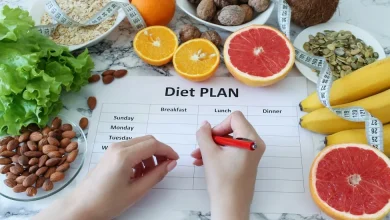
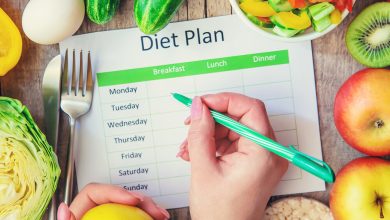
Create a Weekly Meal Plan
Planning meals ahead helps you:
-
Avoid impulse purchases
-
Use ingredients across multiple meals
-
Reduce food waste
Stick to 5–7 simple meals you can rotate throughout the week.
Shop With a Focused Grocery List
A list keeps you on track and protects your budget. Group items by category—produce, grains, proteins—to avoid wandering the aisles.
Buy Whole Foods That Stretch Your Dollar
Some of the most affordable foods are also the most nutritious.
Budget-Friendly Clean Staples
-
Dried beans and lentils (cheap, filling, and protein-rich)
-
Brown rice, oats, and whole wheat pasta
-
Eggs as a versatile protein source
-
Seasonal vegetables and fruits
Frozen produce is another smart choice—it’s often cheaper and just as nutritious as fresh.
Cook More, Eat Out Less
Cooking at home is one of the biggest cost-savers in clean eating.
Batch Cooking and Meal Prep
Prepare large portions of staples like:
-
Roasted vegetables
-
Grains
-
Soups and stews
Store them in the fridge or freezer so healthy meals are always ready.
Master Simple Cooking Techniques
Learning basic skills like roasting, sautéing, and slow cooking helps you turn inexpensive ingredients into satisfying meals without extra cost.
Shop Smart and Strategically
Knowing where and how to shop matters.
Compare Unit Prices
The cheapest-looking option isn’t always the best deal. Always check the price per unit to find real savings.
Choose Generic or Store Brands
Store-brand whole foods—like oats, beans, and frozen vegetables—are usually just as good as name brands, at a lower price.
Reduce Waste to Save More
Food waste quietly drains your budget.
Store Food Properly
-
Freeze leftovers before they spoil
-
Keep herbs fresh by storing them correctly
-
Use airtight containers for grains and nuts
Repurpose Leftovers
Turn roasted vegetables into wraps, soups, or grain bowls instead of throwing them out.
Clean Eating Doesn’t Mean “Perfect”
Perfection isn’t required. Focus on progress, not rules.
-
You don’t need organic everything
-
Simple meals are still clean meals
-
Consistency matters more than trends
Eating well on a budget is about balance, not extremes.
Frequently Asked Questions
1. Is clean eating possible on a tight budget?
Yes. By focusing on whole, basic ingredients and cooking at home, clean eating can be more affordable than relying on packaged or takeout foods.
2. Are frozen fruits and vegetables considered clean?
Absolutely. Frozen produce is often picked at peak ripeness and contains similar nutrients to fresh options.
3. Do I need to buy organic foods to eat clean?
No. Clean eating is about food quality and processing, not labels. Conventional produce is still nutritious.
4. How can I save money on protein sources?
Choose budget-friendly proteins like eggs, beans, lentils, canned fish, and whole chickens instead of individual cuts.
5. What’s the biggest mistake people make when eating clean on a budget?
Buying specialty health foods instead of sticking to simple, whole ingredients that provide better value.
6. How can I avoid getting bored with budget meals?
Use spices, herbs, and different cooking methods to add variety without increasing cost.
7. Is meal prepping necessary for clean eating?
It’s not mandatory, but meal prepping saves time, reduces waste, and helps you stick to your budget consistently.