Acupressure: A Natural Path to Balance and Healing
Acupressure is an ancient, hands-on healing practice rooted in traditional Eastern medicine. By applying steady pressure to specific points on the body, acupressure aims to restore balance, ease discomfort, and support overall well-being—without needles or medication. Its simplicity and accessibility have made it popular worldwide as a self-care and complementary therapy.
What Is Acupressure?
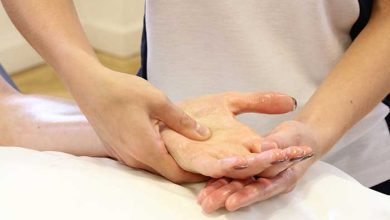
Acupressure is based on the idea that vital energy flows through pathways in the body. When this flow becomes blocked or imbalanced, physical or emotional symptoms may arise. Gentle but firm finger, thumb, or palm pressure is used to stimulate precise points, encouraging the body’s natural healing response.
Unlike acupuncture, acupressure does not involve needles. This makes it especially appealing for people who prefer non-invasive, drug-free approaches to health.
How Acupressure Works
The practice works by stimulating the nervous system and improving circulation. When pressure is applied correctly, it can:
-
Trigger the release of endorphins, the body’s natural pain relievers
-
Promote relaxation by calming the stress response
-
Support blood and lymphatic flow, aiding recovery and detoxification
Over time, regular acupressure sessions may help the body maintain better internal balance.
Common Acupressure Points and Their Uses
Different points correspond to different areas and functions of the body. Some widely used acupressure points include:
-
LI4 (Hand Valley Point): Often used for headaches, facial pain, and stress relief
-
ST36 (Below the Knee): Supports digestion, immunity, and overall energy
-
SP6 (Inner Lower Leg): Commonly used for hormonal balance and sleep support
-
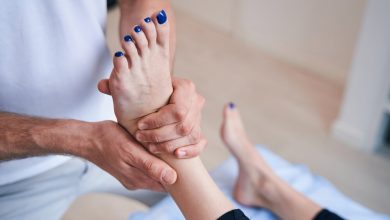
LV3 (Top of the Foot): Helps reduce tension, anxiety, and irritability
These points can be stimulated individually or combined, depending on the concern.
Benefits of Acupressure
Acupressure is valued for its wide range of potential benefits, including:
-
Relief from headaches and migraines
-
Reduced muscle tension and joint discomfort
-
Improved sleep quality
-
Support for digestive health
-
Enhanced emotional well-being and stress management
Because it works holistically, many people use acupressure not just for symptoms, but for overall wellness.
Acupressure vs. Acupuncture
While both therapies share the same theoretical foundation, they differ in technique:
-
Acupressure: Uses fingers and hands; suitable for self-care
-
Acupuncture: Uses fine needles; performed by trained practitioners
Both aim to stimulate the same points, but acupressure is often preferred for daily use at home.
Is Acupressure Safe?
For most people, acupressure is considered safe when practiced correctly. However, a few precautions are important:
-
Avoid strong pressure on injured, inflamed, or infected areas
-
Pregnant individuals should seek professional guidance before use
-
Stop if you feel sharp pain or discomfort
When in doubt, consulting a qualified practitioner ensures safe and effective practice.
How to Practice Acupressure at Home
Getting started with acupressure doesn’t require special equipment. Follow these simple steps:
-
Find a quiet, comfortable position
-
Use your thumb or fingers to apply firm but gentle pressure
-
Hold each point for 30–90 seconds, breathing deeply
-
Repeat on both sides of the body if applicable
Consistency matters more than intensity, especially for beginners.
Frequently Asked Questions (FAQ)
1. How long does it take for acupressure to show results?
Some people feel immediate relief, while others notice gradual improvement after consistent practice over days or weeks.
2. Can acupressure be used daily?
Yes, acupressure can be practiced daily, especially for stress management and general wellness.
3. Does acupressure hurt?
Proper acupressure should not hurt. Mild tenderness is normal, but sharp pain is a sign to stop.
4. Can acupressure help with anxiety?
Many people use acupressure to promote relaxation and reduce anxiety by calming the nervous system.
5. Is acupressure suitable for children?
Gentle acupressure can be suitable for children, but pressure should be lighter and guided by a knowledgeable adult.
6. Do I need professional training to practice acupressure?
Basic self-acupressure can be learned easily, but professional training is recommended for therapeutic or clinical use.
7. Can acupressure replace medical treatment?
Acupressure is best used as a complementary approach, not a replacement for professional medical care.