Acupressure: Harnessing Ancient Healing for Modern Wellbeing
Acupressure, an age-old therapeutic practice originating from traditional Chinese medicine, is gaining increasing recognition in the modern wellness landscape. Rooted in the concept of energy flow within the body, acupressure involves applying targeted pressure to specific points, known as acupoints, to stimulate healing, relieve tension, and restore balance. Unlike acupuncture, which uses needles, acupressure is non-invasive and can be performed manually, making it accessible for home use, professional treatment, and self-care routines.
Acupressure is more than a simple massage technique; it is a structured system that addresses both physical and mental well-being. In this article, we will explore the science, techniques, benefits, and practical applications of acupressure to provide a comprehensive understanding of its role in holistic health.
Understanding the Principles of Acupressure
Acupressure is based on the theory of Qi (pronounced “chee”), the vital energy that circulates through the body along specific pathways called meridians. In traditional Chinese medicine, illness and discomfort are believed to result from blocked or imbalanced Qi. By stimulating acupoints along these meridians, acupressure aims to:
- Promote smooth energy flow
- Release tension in muscles and connective tissue
- Encourage natural healing processes
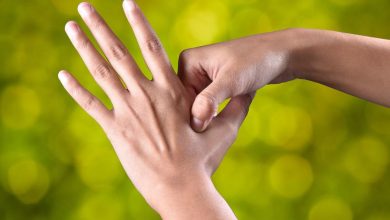
Each acupoint corresponds to specific organs, systems, or bodily functions. For example, the Hegu (LI4) point, located on the hand between the thumb and index finger, is traditionally used to relieve headaches, stress, and facial pain. Similarly, Zusanli (ST36), found below the knee, is linked to digestive health and overall vitality.
Techniques and Methods of Acupressure
Acupressure can be applied using a variety of techniques, depending on the desired outcome. The main methods include:
1. Finger Pressure
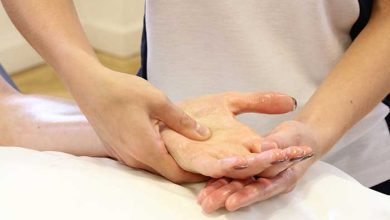
Applying steady pressure using the thumb, index finger, or palm is the most common approach. Pressure is applied gradually and maintained for several seconds to several minutes. Finger pressure is ideal for targeting specific points and can be self-administered.
2. Knuckle or Elbow Pressure
For deeper stimulation, practitioners may use the knuckle, forearm, or elbow. This technique is particularly effective for areas with dense muscle tissue or tension knots.
3. Vibrational Techniques
Gentle tapping or vibrating movements over acupoints can enhance circulation and energy flow. This method is often used in combination with massage to improve relaxation and flexibility.
4. Tools and Devices
Specialised acupressure mats, balls, and rollers allow users to apply consistent pressure at home. These tools are useful for stimulating multiple points simultaneously, especially in larger muscle groups like the back and thighs.
Health Benefits of Acupressure
Acupressure has been studied for its effectiveness in supporting a variety of health conditions, both physical and emotional. Some of the most notable benefits include:
Pain Management
Acupressure has shown promise in alleviating chronic pain conditions such as:
- Tension headaches and migraines
- Back, neck, and shoulder pain
- Joint pain associated with arthritis
By stimulating specific acupoints, acupressure may trigger the release of endorphins, the body’s natural painkillers, and improve blood flow to affected areas.
Stress Reduction and Mental Wellbeing
Stress and anxiety are linked to muscle tension, hormonal imbalances, and disrupted sleep. Regular acupressure can:
- Reduce cortisol levels
- Promote relaxation and calmness
- Improve sleep quality and duration
Points such as Yintang (between the eyebrows) and Shenmen (on the ear) are often targeted to alleviate stress and emotional tension.
Digestive Health
Certain acupoints support gastrointestinal function by regulating peristalsis, enzyme secretion, and nutrient absorption. For example, stimulating Zusanli (ST36) may improve digestion, reduce bloating, and enhance energy levels.
Immune System Support
Acupressure may help boost immunity by improving circulation, reducing inflammation, and enhancing lymphatic drainage. Regular stimulation of points like LI4 and ST36 is thought to strengthen the body’s resistance to infections.
Hormonal Balance
For conditions such as menstrual discomfort, menopause-related symptoms, or thyroid imbalances, acupressure can provide relief by modulating hormonal activity through specific acupoints.
Acupressure for Modern Lifestyles
With the growing prevalence of sedentary lifestyles, stress, and chronic ailments, acupressure offers a practical and natural wellness solution. It can be seamlessly integrated into daily routines without requiring extensive equipment or time. Some practical applications include:
- Office Relief: Applying pressure to neck and shoulder points can ease tension caused by prolonged computer use.
- Travel Comfort: Stimulating acupoints related to circulation can reduce fatigue and prevent swelling during long journeys.
- Self-Care Rituals: Incorporating acupressure into morning or evening routines can enhance energy levels, mental clarity, and relaxation.
Additionally, acupressure complements other wellness practices such as yoga, meditation, and physical therapy, enhancing their therapeutic effects.
Safety and Considerations
Acupressure is generally considered safe when performed correctly. However, there are important precautions:
- Avoid Excessive Force: Pressure should be firm but not painful. Overly aggressive stimulation may cause bruising or discomfort.
- Medical Conditions: Individuals with fractures, severe osteoporosis, or circulatory disorders should consult a healthcare professional before starting acupressure.
- Pregnancy: Some acupoints can induce contractions; pregnant women should seek guidance from a trained practitioner.
Consistency and proper technique are key to achieving benefits. Beginners may benefit from instructional guides, certified courses, or professional sessions.
Scientific Evidence and Research
Modern studies are increasingly validating the benefits of acupressure:
- Research shows that acupressure can reduce pain intensity in patients with chronic lower back pain and osteoarthritis.
- Clinical trials suggest that acupressure may improve sleep quality, particularly in individuals with insomnia or anxiety-related sleep disturbances.
- Studies on nausea management, especially in chemotherapy and pregnancy, indicate that stimulation of P6 (Neiguan) acupoint can significantly reduce nausea and vomiting.
While more large-scale, controlled studies are needed, existing research supports acupressure as a complementary therapy in integrative healthcare.
Practical Guide to Common Acupressure Points
For home practice, here are several widely used acupoints and their applications:
- Hegu (LI4): Relief from headaches, stress, and facial pain. Located on the hand between the thumb and index finger.
- Zusanli (ST36): Supports digestion, energy, and immune function. Found below the knee on the outer leg.
- Yintang: Promotes relaxation and alleviates anxiety. Situated between the eyebrows.
- Shenmen (Ear Point): Eases stress, insomnia, and emotional tension. Located in the triangular fossa of the ear.
- Neiguan (P6): Reduces nausea and motion sickness. Located three finger widths above the wrist on the inner forearm.
Stimulating these points for 1–3 minutes per session can be effective when performed consistently.
Integrating Acupressure Into Daily Life
To maximise the benefits of acupressure, consider these practical tips:
- Establish a daily routine, even if only for a few minutes.
- Combine acupressure with deep breathing or mindfulness techniques to enhance relaxation.
- Use acupressure tools such as mats or rollers for larger muscle groups.
- Keep a journal of responses to identify which points and techniques provide the greatest relief.
This approach ensures that acupressure becomes a sustainable part of holistic wellness rather than a sporadic activity.
Conclusion
Acupressure offers a versatile, non-invasive approach to maintaining physical, mental, and emotional well-being. By targeting acupoints along the body’s meridians, it can relieve pain, reduce stress, improve digestion, and support immune function. Its accessibility makes it an ideal practice for modern lifestyles, complementing other wellness strategies while remaining grounded in a centuries-old tradition.
With proper technique, consistency, and awareness of safety guidelines, acupressure empowers individuals to actively participate in their own health management. The combination of ancient wisdom and contemporary understanding makes acupressure a valuable tool in the pursuit of holistic well-being.
FAQs
1. How long should an acupressure session last for beginners?
A typical session can last 10–20 minutes, focusing on a few key acupoints. Pressure should be gentle at first, gradually increasing as comfort allows.
2. Can acupressure be combined with other therapies?
Yes, acupressure complements massage, yoga, meditation, physical therapy, and conventional medical treatments, enhancing overall effectiveness.
3. Is acupressure effective for chronic conditions?
While individual responses vary, research suggests acupressure can help manage chronic pain, digestive issues, stress, and insomnia when applied consistently over time.
4. Are there any side effects of acupressure?
Side effects are rare but may include mild soreness or bruising if excessive pressure is applied. Pregnant women or individuals with specific medical conditions should seek professional guidance.
5. Can children benefit from acupressure?
Yes, gentle acupressure can help children with stress, sleep issues, and mild discomfort. Always use light pressure and monitor reactions closely.
6. How often should acupressure be practiced for optimal results?
Daily practice is ideal, but even 3–4 sessions per week can produce noticeable benefits, especially for stress reduction and general wellness.
7. Where can I learn proper acupressure techniques?
Certified courses, workshops, instructional books, and online tutorials from reputable sources provide guidance on effective and safe acupressure practices.
This comprehensive understanding of acupressure demonstrates its practical value for modern wellness, offering evidence-based, hands-on methods to improve health and quality of life.