Dental Care: Comprehensive Insights into Oral Health and Modern Practices
Dental health is an essential aspect of overall well-being that extends beyond a simple bright smile. Maintaining proper oral hygiene impacts not only the condition of teeth and gums but also systemic health, including cardiovascular function, diabetes management, and immune response. With advancements in modern dentistry, individuals now have access to preventive, restorative, and cosmetic solutions that enhance both oral health and quality of life. In this article, we will explore the core principles of dental care, examine contemporary practices, discuss common conditions, and provide evidence-based strategies for maintaining optimal oral health.
Understanding the Fundamentals of Dental Health
Dental health revolves around the prevention, diagnosis, and treatment of oral diseases and conditions affecting teeth, gums, and related structures. The foundation of dental care includes:
- Proper oral hygiene: Regular brushing, flossing, and use of adjunctive tools such as interdental brushes and mouth rinses.
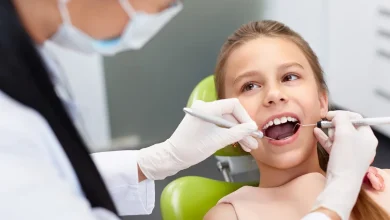
- Regular dental visits: Professional assessments for early detection and treatment of dental problems.
- Nutrition and lifestyle factors: Diets rich in calcium, vitamins, and minerals promote strong teeth and gums, while limiting sugary and acidic foods reduces decay risk.
- Awareness of systemic connections: Conditions such as diabetes, heart disease, and osteoporosis are closely linked to oral health, necessitating comprehensive dental monitoring.
Oral health also involves understanding the microbiome of the mouth. Bacterial balance is critical, as pathogenic bacteria contribute to plaque formation, gum inflammation, and tooth decay. Maintaining a balanced oral microbiome is a central principle in preventive dentistry.
Modern Dental Practices and Techniques
Advances in dental technology have transformed both diagnostic and therapeutic approaches. Modern dental care now integrates precision tools and evidence-based procedures that enhance patient comfort and outcomes.
Preventive Dentistry
Preventive care aims to protect natural teeth and prevent disease progression. Key components include:
- Professional cleanings: Removal of plaque and tartar to prevent cavities and periodontal disease.
- Fluoride treatments: Strengthen enamel and reduce susceptibility to decay.
- Sealants: Protective coatings applied to molars to prevent occlusal decay, particularly in children.
- Patient education: Guidance on brushing techniques, flossing, and dietary considerations.
Restorative Dentistry
Restorative dentistry addresses structural damage and functional impairment of teeth. Common procedures include:
- Fillings: Composite or amalgam materials restore decayed teeth.
- Crowns: Caps that protect weakened or fractured teeth while restoring aesthetics and function.
- Bridges and implants: Replace missing teeth to preserve oral function and prevent bone loss.
- Root canal therapy: Removes infected pulp tissue, saving teeth that would otherwise require extraction.
Cosmetic Dentistry
Cosmetic interventions improve appearance and self-confidence, often complementing functional restoration:
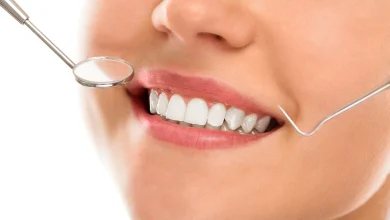
- Teeth whitening: Professional bleaching treatments address discoloration from diet, smoking, or aging.
- Veneers: Thin shells bonded to tooth surfaces to enhance shape, alignment, and colour.
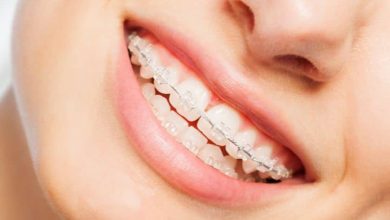
- Orthodontics: Braces and clear aligners correct malocclusion, improve bite, and prevent uneven wear.
- Gum contouring: Surgical or laser techniques reshape gum lines for aesthetic harmony.
Periodontal Care
Healthy gums are critical to dental health. Periodontal disease, if untreated, can lead to tooth loss and systemic complications. Modern periodontal care involves:
- Scaling and root planing: Deep cleaning procedures to remove plaque and calculus below the gum line.
- Laser therapy: Minimally invasive treatment to reduce bacterial load and stimulate healing.
- Maintenance programs: Regular periodontal visits to monitor gum health and prevent recurrence.
Common Dental Conditions and Their Management
Understanding prevalent dental conditions helps in early recognition and treatment, preventing serious complications.
Dental Caries
Also known as cavities, dental caries result from acid-producing bacteria that demineralise enamel. Management strategies include:
- Early detection through regular check-ups and radiographs.
- Restorative interventions like fillings or crowns for advanced decay.
- Preventive measures such as fluoride therapy, sealants, and dietary modification.
Periodontal Disease
Gingivitis and periodontitis affect the supporting structures of teeth. Evidence-based management includes:
- Professional cleaning and deep scaling.
- Antimicrobial therapies and guided tissue regeneration in advanced cases.
- Lifestyle modification, including cessation of smoking and improved oral hygiene.
Malocclusion and Bite Disorders
Misaligned teeth or jaws can contribute to functional and aesthetic concerns. Orthodontic treatment, including fixed braces or clear aligners, restores proper alignment and bite function, reducing risk of wear, jaw pain, and temporomandibular joint disorders.
Tooth Sensitivity
Often caused by enamel erosion or gum recession, tooth sensitivity can be managed through:
- Desensitising toothpaste and topical fluoride applications.
- Restorative procedures for worn enamel or exposed dentin.
- Behavioural modifications, such as reducing acidic food intake and avoiding aggressive brushing.
Oral Cancer
Oral cancers, including cancers of the lips, tongue, and oral cavity, necessitate early detection for successful treatment. Regular dental exams allow for:
- Visual and tactile screening of oral tissues.
- Referral for biopsy or specialist care if abnormalities are detected.
- Education on risk factors, including tobacco and alcohol use.
Innovations in Dental Technology
Modern dentistry increasingly integrates technology to improve diagnosis, treatment, and patient experience:
- Digital imaging and 3D scanning: Provide accurate diagnostic information and assist in treatment planning.
- CAD/CAM restorations: Computer-aided design and manufacturing allow precise fabrication of crowns, veneers, and bridges.
- Laser dentistry: Minimises bleeding, pain, and recovery time in soft tissue procedures.
- Teledentistry: Virtual consultations and remote monitoring enhance access to care and patient engagement.
Lifestyle and Nutritional Considerations
Diet and daily habits significantly impact dental health. Evidence supports the following strategies:
- Calcium and vitamin D intake: Essential for strong teeth and bone structure.
- Limiting sugar and acidic foods: Reduces bacterial activity and enamel erosion.
- Hydration: Saliva production helps neutralise acids and maintain a healthy oral environment.
- Avoiding tobacco and excessive alcohol: Reduces risk of periodontal disease, tooth staining, and oral cancer.
Integrating Dental Care Into Overall Wellness
Dental health is intrinsically connected to systemic well-being. Poor oral hygiene has been linked to cardiovascular disease, diabetes complications, and respiratory infections. Regular dental care, therefore, contributes to holistic health by:
- Reducing chronic inflammation in the body.
- Supporting metabolic health through balanced oral microbiota.
- Enhancing quality of life via improved aesthetics, function, and confidence.
Collaborative care between dental professionals and primary healthcare providers ensures comprehensive management of health risks associated with oral conditions.
Preventive Strategies for Lifelong Oral Health
Adopting preventive measures early in life ensures sustained oral health:
- Brush teeth at least twice daily using fluoride toothpaste.
- Floss or use interdental brushes to remove plaque between teeth.
- Schedule professional dental visits every six months or as advised.
- Educate children on proper oral care habits to prevent early onset of decay and gum disease.
- Use protective gear such as mouthguards during sports to prevent trauma.
Conclusion
Dental health is a critical component of overall well-being, encompassing preventive, restorative, cosmetic, and systemic considerations. Advances in modern dentistry have expanded the scope of care, providing tools and techniques to maintain, restore, and enhance oral health. Evidence-based practices, coupled with lifestyle and nutritional interventions, enable individuals to proactively protect their teeth and gums while supporting systemic wellness. By prioritising dental care, people can achieve both functional and aesthetic benefits, reinforcing the connection between oral health and quality of life.
FAQs
1. How often should adults visit a dental professional?
Routine visits every six months are recommended for cleanings, examinations, and early detection of oral conditions. Some individuals with higher risk factors may require more frequent visits.
2. Are electric toothbrushes more effective than manual brushing?
Studies indicate that electric toothbrushes with oscillating or rotating heads can remove plaque more efficiently and reduce gingivitis risk, though proper technique with a manual brush is also effective.
3. Can dental health impact heart disease?
Yes, chronic periodontal disease has been associated with increased risk of cardiovascular conditions due to systemic inflammation and bacterial translocation into the bloodstream.
4. How can tooth sensitivity be managed at home?
Use desensitising toothpaste, avoid highly acidic foods, brush gently, and consult a dentist for advanced interventions like fluoride varnishes or bonding.
5. Is teeth whitening safe for all individuals?
Professional whitening is generally safe, but individuals with enamel erosion, gum disease, or sensitive teeth should consult a dentist before treatment.
6. What is the role of diet in preventing cavities?
A diet low in sugar and high in calcium, phosphate, and vitamins supports enamel strength and reduces bacterial activity, lowering the risk of decay.
7. Are dental implants a permanent solution for missing teeth?
Dental implants offer long-term solutions with high success rates, provided proper oral hygiene is maintained and regular professional check-ups are followed.
This comprehensive perspective on dental care highlights its essential role in health maintenance, systemic wellness, and quality of life, emphasising evidence-based strategies and modern practices for optimal oral health.