Discreet Braces for London Adults
Many adults across London want to improve their smiles but feel uncertain about wearing visible metal braces. Whether it is the pursuit of a more confident appearance or concerns over misalignment and overall oral health, discreet braces have become an increasingly popular solution. To avoid drawing attention to orthodontic treatment, adults are seeking alternatives that balance effectiveness with subtlety. This article explores the rise of discreet braces for London adults, the different types available, and important considerations in choosing the right treatment.
According to leading London cosmetic dentist Dr. Sahil Patel of Marylebone Smile Clinic, discreet orthodontic options have allowed busy professionals to achieve straighter smiles without compromising on comfort and aesthetics. He says, “Many of our patients are surprised by how seamless the process is when using treatments such as Invisalign in London. These aligners are custom-made and barely noticeable, which is ideal for individuals who want an understated but effective solution for aligning their teeth.”
Adults who consider upgrading their smiles with discreet orthodontic treatments often consult a cosmetic dentist London residents trust to provide the latest guidance and procedures. The influence of technology on modern orthodontics means there is a range of transparent and tooth-coloured solutions that significantly reduce the visibility of braces. From improvements in ceramic brackets to the rise of clear aligners, discreet orthodontic care has gone from a niche option to a mainstream choice.
Why More Adults Are Seeking Orthodontic Treatment
Orthodontic treatment was once regarded primarily as a teenage rite of passage. The perception that only adolescents wore braces was pervasive, leaving many adults reluctant to correct existing alignment issues for fear of embarrassment or appearing “too old.” Today, however, more adults are seeking orthodontic treatment for several key reasons.
One reason is the growing emphasis on personal image within social and professional settings. A misaligned bite or crowded teeth can undermine confidence, especially when conversing face to face or giving presentations. Younger generations have led the charge in normalising self-care, and this trend has also influenced older adults who now feel empowered to pursue aesthetic improvements they may have once deemed unattainable.
Another factor is the long-term health benefits associated with having properly aligned teeth. Crowded or crooked teeth can be difficult to clean effectively, potentially leading to gum disease, tooth decay, and other oral health concerns. By straightening their teeth, many individuals reduce their chances of developing certain dental problems. As awareness of these issues spreads, more adults recognise the value of comprehensive orthodontic care to protect both their smiles and their overall well-being.
Different Types of Discreet Braces
Ceramic Braces
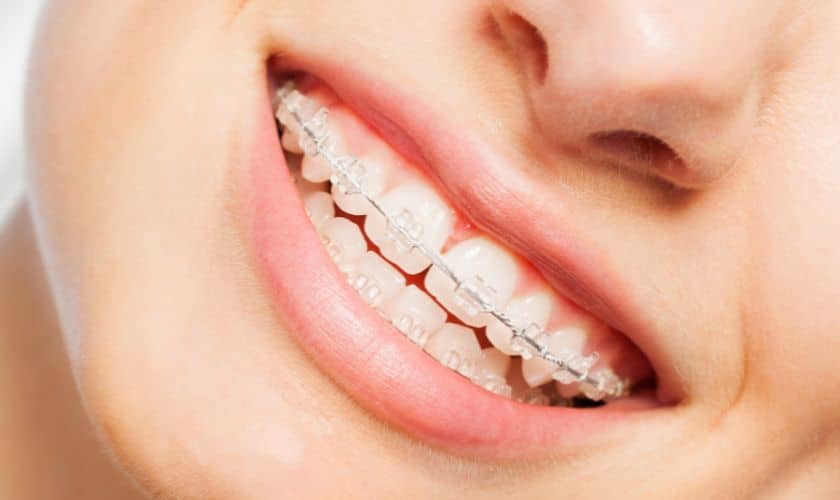
Ceramic braces mirror the structure of conventional metal braces but use ceramic or porcelain brackets that blend with the natural shade of teeth. They rely on tooth-coloured or clear wires and brackets, making them far less noticeable. This approach appeals to those who may have significant alignment concerns requiring a more traditional brace setup but still want a subtle look.
Although ceramic braces can be slightly more prone to staining if not carefully cleaned, modern materials and diligent oral hygiene make the risk manageable. Advances in ceramic technology have made the brackets smaller and less fragile, ensuring that adults can go about daily life with minimal intrusion.
Lingual Braces
Lingual braces are fitted on the inside (tongue side) of the teeth, rendering them nearly invisible to casual observers. Orthodontists who specialise in lingual braces custom-fit the archwires and brackets to the back of each tooth, catering to the patient’s unique dental structure. This arrangement allows adults who may often speak in front of clients, colleagues, or other large groups to straighten their teeth without the usual signs of braces.
Despite their discretion, lingual braces can initially create mild speech difficulties and tongue discomfort because of their position inside the mouth. However, these issues commonly subside as the wearer adapts. Once that adaptation occurs, many adults enjoy the freedom of correction with little outward evidence that they are wearing braces.
Clear Aligners
One of the most prominent advancements in discreet orthodontic care has been the development of clear aligners, such as Invisalign. Crafted from transparent plastic, these removable aligners gradually shift the teeth into the desired position. Because they are removable, adults can take them out for short periods when eating or brushing. This flexibility reduces the risk of food trapping and improves oral hygiene regimens.
Clear aligners also grant the freedom to enjoy social engagements or professional commitments without visible brackets. For adults accustomed to daily coffee or red wine, this can be particularly advantageous, as aligners can be removed before drinking dark beverages. However, consistent use of the aligners—generally 20 to 22 hours a day—is crucial for effective treatment. While they offer discretion, patient diligence plays a significant role in ensuring the best possible results.
Choosing the Right Treatment
Making the choice between ceramic braces, lingual braces, or clear aligners depends on various factors, including the severity of misalignment, budget, and personal preferences. Each option has its set of unique advantages. Ceramic braces typically address a wide range of orthodontic issues and are less visible than metal braces, making them a good compromise between traditional and discreet. Lingual braces are practically invisible, though some may initially find them more cumbersome to clean or adapt to. Clear aligners offer the highest level of discretion and convenience but may not be suitable for every type of alignment problem, particularly very complex cases.
In certain circumstances, an adult may begin with one type of braces and switch to another if recommended by a dental professional. Consulting a qualified orthodontist or cosmetic dentist is the first step to assess the most appropriate solution. This professional can provide a comprehensive examination, including X-rays and digital impressions, to develop a customised plan. While many individuals may have their hearts set on a particular treatment, it is important to remain flexible, as the most suitable method should ensure both aesthetic discretion and the functional correction of the teeth.
Consultations with a Qualified Orthodontic Provider
Selecting a skilled provider is essential for ensuring that the treatment is both discreet and effective. Many dentists who specialise in cosmetic procedures in the capital have a wealth of experience handling adult orthodontic requirements. These providers often employ the latest technology, such as 3D imaging, to demonstrate projected outcomes before the treatment even begins.
During the initial consultation, an orthodontist or cosmetic dentist will discuss desired timelines, potential challenges, and the estimated total cost of the treatment. They may also advise on additional steps that could enhance the result, such as teeth whitening after the braces phase is complete. Confirming the professional’s credentials, along with asking about their experience with adult cases, is a vital part of choosing the right practice.
Lifestyle Adjustments During Orthodontic Treatment
Wearing discreet braces does require some changes to daily habits, though these adjustments are typically manageable. For instance, if an individual opts for ceramic braces or lingual braces, it may be recommended to avoid particularly sticky or hard foods. Chewy candies or very tough bread can damage brackets or wires, which could extend the treatment time.
With clear aligners, the treatment success relies heavily on patient compliance. Since the aligners are removable, there is a temptation to remove them for extended periods. Those who do so risk slowing their progress. Additionally, with aligners, individuals need to brush or rinse their teeth after every meal or snack to avoid trapping bacteria between the aligner and tooth surfaces. Because of these requirements, many find themselves adopting a more structured routine, leading to improvements in overall oral hygiene.
Managing Discomfort and Adaptation
Although discreet braces are typically more comfortable than traditional metal braces, adults often experience mild discomfort during the initial phase of treatment. This can manifest as slight tenderness in the teeth or gums, or a feeling of pressure when the aligners or brackets are first fitted or periodically tightened. For ceramic or lingual braces, the inner cheeks and tongue may need some time to acclimate to the new hardware.
Most individuals report that any discomfort wanes within a week or two as the mouth adjusts. Over-the-counter pain relief can help during this transition phase. Dental wax is often provided to shield sensitive areas of the mouth from bracket edges, reducing the likelihood of irritation or sores. Ultimately, these minor inconveniences are short-lived and far outweighed by the long-term benefits of straighter teeth and an improved smile.
Maintaining Oral Hygiene with Discreet Braces
Regardless of which discreet braces solution is chosen, a thorough oral hygiene routine is critical. Traditional or ceramic braces with brackets and wires can trap food particles, so brushing after every meal is strongly advised. Flossing can be more challenging, but specialised threading tools and interdental brushes simplify the process. Mouthwashes containing fluoride can also strengthen tooth enamel, offering additional protection.
For lingual braces, the cleaning process might involve a bit more effort. Because the braces are behind the teeth, learning to angle the toothbrush properly and using small-headed brushes can assist in reaching every crevice. Regular check-ups are essential to ensure that the brackets remain secure and that there is no build-up of plaque or tartar in hidden areas.
Clear aligners demand consistent washing of the trays themselves, typically in lukewarm water (not hot, which might warp the plastic), to eliminate bacteria. Because aligners can be removed, brushing and flossing can be completed with greater ease compared to fixed braces. However, it remains essential to be disciplined and thorough. Leaving aligners out for lengthy periods or neglecting to clean them can undermine progress and increase the risk of tooth decay.
Cost and Financing Considerations
Pricing for discreet braces varies according to the complexity of the case, the practitioner’s expertise, and the specific type of braces. Ceramic braces may be slightly more expensive than their metal counterparts. Lingual braces, being customised to the backs of the teeth, can be on the higher end of the pricing spectrum due to the specialised skill and equipment required. Clear aligners often span a wide range in cost, depending on how many sets of aligners are needed.
Many clinics and practices recognise that adult orthodontic treatment can represent a significant financial commitment. As a result, they offer payment plans or financing options, helping patients spread the cost over time. Some dental insurances might cover part of the treatment if it is deemed medically necessary, although the availability of coverage for orthodontics in adulthood differs significantly by policy. Patients are encouraged to discuss payment structures with their chosen provider before starting treatment to avoid financial surprises.
Expected Treatment Duration
Adults often hope for rapid results, but the duration of discreet orthodontic treatment can vary widely based on individual circumstances. Minor alignment issues might be resolved within six months. More complex cases can take up to two years or more. Ceramic braces typically have similar treatment times to traditional braces—somewhere between 12 and 24 months. Lingual braces, likewise, can require a timeframe of roughly one to two years, again contingent on the severity of the misalignment.
Clear aligners can sometimes achieve desired alignment more quickly, particularly when the corrections needed are moderate. In many cases, clear aligner treatment lasts between nine and eighteen months. The key to faster progress lies in consistent wear, as each set of aligners must be used according to the prescribed schedule. Regardless of the type of braces, periodic adjustments or check-ups will be scheduled to ensure that everything is progressing smoothly and on time.
Social and Professional Settings
One of the principal concerns for adults seeking orthodontic treatment is whether the braces will interfere with their social and professional engagements. Adults in highly visible roles or those who frequently interact with clients appreciate solutions that minimise the appearance of braces. This explains the rising popularity of clear aligners and lingual braces among those keen to maintain a polished aesthetic.
While each discreet solution is designed to be understated, some people find that even ceramic braces are subtle enough for everyday use. Choosing the right option often depends on factors such as how often one speaks publicly, the preference for removable vs. fixed braces, and the budget for treatment. When weighing these choices, many patients consult a cosmetic dentist London professionals recommend, given the city’s status as a hub for advanced dental care.
Potential Drawbacks of Discreet Braces
Though discreet braces provide numerous benefits, there are a few potential drawbacks to consider. Ceramic braces, for instance, can be more brittle than traditional braces. If proper care is not taken, the brackets could crack or chip, leading to additional appointments and possible costs. Staining can also be an issue if the individual consumes a lot of coffee, tea, or other strongly coloured beverages and fails to rinse or brush promptly.
Lingual braces, while invisible externally, can take a bit of getting used to. Speech impediments like lisps or minor difficulties pronouncing certain words may occur initially. It typically takes a few weeks for the tongue to adapt to the braces. Clear aligners, on the other hand, require excellent compliance from the user. If worn less than the advised duration or not changed as directed, the treatment can take significantly longer.
Each method, though discreet, demands an adjustment period during which a patient may encounter small inconveniences. However, for the majority of adults, the benefits of an improved smile and the confidence that comes with it far surpass any temporary challenges.
Long-Term Benefits Beyond Aesthetics
While the aesthetic appeal of discreet braces is a major draw, the long-term benefits extend well past appearance. Properly aligned teeth can help reduce excess wear caused by misalignment, preventing issues like chipping and cracking over time. A properly balanced bite can also alleviate stress on the jaw joints, potentially minimising the risk of conditions such as temporomandibular joint disorder (TMJ).
Additionally, with straighter teeth, it becomes easier to maintain healthy gums and eliminate areas where bacteria can hide. This can help prevent complications such as gum recession or advanced periodontal disease. Many adults report that after completing discreet orthodontic treatment, they find themselves more motivated to maintain a rigorous oral hygiene routine. Improved alignment often fosters a greater desire to protect and preserve that investment through daily brushing, flossing, and periodic professional cleanings.
Combining Orthodontics with Other Cosmetic Treatments
It is not uncommon for adults to consider additional cosmetic dental treatments once they address misalignment. Some may wish to whiten their teeth to complement their newly straightened smile, while others might opt for veneers or bonding to further refine the shape or size of particular teeth. Undertaking orthodontic work before these procedures can be advantageous, as it sets a solid foundation on which other treatments can build.
Dentists often advise waiting until after orthodontic work is complete before finalising any cosmetic enhancements. This ensures that new placements of veneers or restorations are aligned correctly with the straightened teeth. It also helps avoid any potential damage to the braces or interference with aligners. A comprehensive treatment plan can incorporate all these elements, allowing adults to time their procedures in a way that leads to the best possible outcome.
Retention and Aftercare
No matter which discreet braces approach is chosen, retention is a fundamental part of the process. Once the active alignment phase ends, the teeth are still susceptible to shifting. Retainers—either removable clear trays or fixed wires behind the teeth—help maintain the newly acquired alignment. Adults who stop using their retainers as prescribed risk the gradual movement of their teeth back to their original positions.
The retention period can be permanent or semi-permanent, depending on individual needs and orthodontic recommendations. Many adults continue to wear retainers at night for the foreseeable future. Regular dental check-ups remain crucial even after the braces phase concludes, as a dentist can monitor the bite and ensure there are no emerging issues. Good oral hygiene habits and lifestyle choices, such as limiting sugary snacks and beverages, support long-lasting results.
Practical Tips for Success
Adults who have undergone discreet orthodontic treatment often highlight several practices that contributed to their successful outcomes. Consistency is key, particularly with clear aligners. Setting reminders on a phone or watch to prompt putting the aligners back in after meals can help maintain the recommended 20 to 22 hours of daily wear.
Scheduling routine cleaning appointments is another effective strategy. Professional cleanings remove any plaque or tartar that might be accumulating in hard-to-reach areas. Orthodontists can also detect potential problems early, such as hairline cracks in brackets or improper fitting of aligners.
Communication with the dental team is critical. If aligners become lost or damaged, contacting the provider promptly can prevent undue treatment delays. Likewise, any persistent discomfort or concerns about shifting teeth should be addressed early. Technological advances mean that many clinics can perform detailed scans and measurements, making any necessary adjustments more efficient.
Addressing Orthodontic Anxiety
Some adults may shy away from discreet braces due to fears or anxieties related to dental treatment. Past negative experiences can shape perceptions, making it daunting to commit to a long-term orthodontic plan. Fortunately, many practices are well-versed in supporting anxious patients. Techniques such as sedation dentistry, relaxation strategies, and thorough patient education can alleviate concerns.
Adults should feel comfortable discussing any apprehensions with the orthodontist or cosmetic dentist during the initial consultation. This transparency allows the dental team to tailor their approach and create a welcoming environment. By focusing on incremental steps and explaining the rationale behind each stage of treatment, professionals can help demystify the process and reassure patients.
Monitoring Oral Health During Treatment
While wearing any form of braces, maintaining routine dental check-ups is essential. This typically involves not only visits to the orthodontist for adjustments, but also periodic check-ups with a general dentist to screen for cavities, gum inflammation, or other oral health issues. Catching minor issues early means they can be addressed without disrupting the progression of the braces or aligners.
For adults who smoke or drink frequently, it is worth noting that nicotine and coloured drinks can contribute to staining of ceramic braces or the aligners themselves. If quitting smoking is an option, orthodontic treatment can be a motivating factor, given the positive impact on oral health and appearance. Reducing or moderating consumption of staining beverages, or rinsing promptly after drinking them, can also help preserve a clean, discreet look.
Planning for Special Occasions and Travel
One of the perks of discreet braces is that they are relatively easy to manage during special occasions. For example, those wearing ceramic or lingual braces typically do not have to remove anything, but it is advisable to refrain from particularly chewy or sticky foods. Clear aligners can be removed briefly for events, as long as they are worn in accordance with the overall treatment plan.
When traveling for work or leisure, packing an extra set of aligners or carrying wax for possible bracket irritation can help handle any unexpected issues. Retainers or aligners should be stored in a sturdy case when not in use, protecting them from damage or loss. Planning ahead ensures that the individual can continue enjoying an active lifestyle without compromising their orthodontic progress.
Working with a Cosmetic Dentist London Adults Trust
There is no shortage of dental professionals in the capital, but choosing the right practitioner requires some research. A cosmetic dentist London residents frequently recommend often has a track record of successful adult orthodontic cases. Checking online reviews, asking friends or colleagues for referrals, and exploring the practice’s website can offer insight into the level of expertise.
Many practices also provide before-and-after galleries of previous patients, offering tangible proof of their success with discreet braces. Initial consultations are typically non-obligatory, giving prospective patients a chance to evaluate whether they feel comfortable with the provider’s approach. Questions regarding technology, potential risks, and follow-up care are all valid and should be encouraged.
Conclusion
Discreet braces offer London adults a practical and sophisticated way to attain straighter teeth, enhancing both aesthetics and oral health. With options such as ceramic braces, lingual braces, and clear aligners, individuals can select a method that best suits their lifestyle, personal preferences, and budget. The development of these technologies—combined with the city’s status as a centre for cosmetic dentistry—has transformed what was once a daunting prospect into a seamless experience.
Investing in discreet orthodontic care is about more than just achieving a straighter smile. It boosts self-confidence, promotes better oral hygiene, and sets the foundation for long-term dental health. By choosing a trusted provider and following through with recommended aftercare, adults can enjoy the life-changing benefits that come with an aligned smile. Through every stage of the journey, discreet braces can remain a subtle presence, gently guiding teeth toward a healthier, more appealing arrangement that reflects the individual’s commitment to looking and feeling their best.