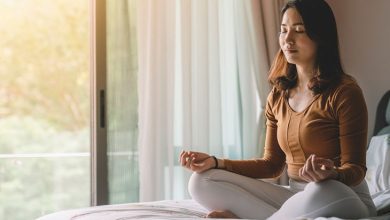
Meditation: Harnessing Mindfulness for Optimal Mental and Physical Well-Being
Meditation is an ancient practice that has evolved into a scientifically validated approach to enhancing mental, emotional, and physical health. Integrating meditation into daily life cultivates awareness, reduces stress, and promotes cognitive clarity. Modern research underscores its role in supporting neurological function, emotional regulation, and systemic physiological balance, making meditation far more than a spiritual or cultural practice. For anyone seeking to improve overall well-being, incorporating meditation offers tangible, long-lasting benefits.
Understanding Meditation and Its Core Principles
Meditation is the practice of focusing attention and awareness, often in a structured manner, to achieve a state of mental clarity and emotional calm. While its forms vary, all meditation methods share common objectives:
- Enhancing awareness and presence
- Reducing mental chatter and stress
- Improving emotional regulation and resilience
- Promoting a sense of inner balance and well-being
The Science Behind Meditation
Neuroscientific studies reveal that consistent meditation can alter brain structure and function. Practices like mindfulness meditation increase grey matter density in areas related to learning, memory, and emotional regulation, such as the hippocampus and prefrontal cortex. Meditation also reduces activity in the amygdala, the brain’s center for fear and stress responses, thereby lowering anxiety levels and enhancing emotional stability.
Physiologically, meditation positively impacts heart rate, blood pressure, and cortisol levels. Long-term practice supports autonomic nervous system balance, improving parasympathetic (rest-and-digest) activity and reducing sympathetic overdrive associated with stress.
Types of Meditation and Their Specific Benefits
Understanding the variety of meditation practices allows for tailoring the approach to individual goals, lifestyles, and preferences.
Mindfulness Meditation
Mindfulness meditation involves observing thoughts, sensations, and emotions without judgment, cultivating present-moment awareness. It is highly effective for stress reduction, improving attention, and emotional regulation.
Practical application:
- Sit comfortably with a straight spine
- Focus on breath or bodily sensations
- Acknowledge thoughts as they arise without attachment
- Return focus to breath whenever the mind wanders
Transcendental Meditation
This practice utilises the repetition of a specific mantra to achieve deep relaxation and a state of inner silence. Transcendental meditation has been shown to reduce blood pressure, lower stress hormones, and improve overall cardiovascular health.
Key aspects:
- Practice twice daily for 20 minutes each session
- Sit in a quiet space with eyes closed
- Repeat the chosen mantra silently
Guided Meditation
Guided meditation involves following instructions from a teacher, audio recording, or app to facilitate relaxation, visualisation, or emotional processing. It is particularly helpful for beginners or those seeking structured meditation sessions.
Benefits:
- Enhances focus and motivation
- Supports stress reduction and mood regulation
- Encourages creative visualization and problem-solving
Loving-Kindness Meditation
Also known as Metta meditation, this practice fosters compassion towards oneself and others. Repeating affirmations such as “May I be happy, may I be healthy” cultivates empathy, reduces negative emotions, and strengthens social connections.
Outcomes:
- Increased positive affect and emotional resilience
- Decreased implicit bias and hostility
- Strengthened interpersonal relationships
Body Scan and Breath Awareness
Body scan meditation involves systematically focusing attention on different parts of the body, promoting somatic awareness and relaxation. Breath awareness meditation concentrates on the natural rhythm of breathing, anchoring the mind and reducing cognitive overload.
Health benefits:
- Reduces muscle tension and somatic pain
- Improves autonomic nervous system regulation
- Enhances focus and mindfulness throughout daily activities
Designing an Effective Meditation Routine
Consistency and structure are key to reaping the full benefits of meditation.
Frequency and Duration
- Aim for daily practice, even for 10–20 minutes
- Longer sessions provide deeper physiological and neurological effects
- Integrate micro-meditation breaks throughout the day for sustained focus
Creating a Conducive Environment
- Choose a quiet, comfortable space with minimal distractions
- Maintain a posture that is relaxed yet alert
- Use props such as cushions or meditation benches for support
Incorporating Mindfulness into Daily Life
Beyond formal sessions, meditation principles can be applied in daily activities:
- Mindful eating: Paying full attention to taste, texture, and smell
- Mindful walking: Observing sensations and surroundings during movement
- Mindful communication: Active listening and non-judgmental interaction
Monitoring Progress and Adaptation
Track improvements in:
- Stress levels and emotional stability
- Sleep quality and restorative rest
- Concentration, productivity, and creativity
- Physical health markers such as blood pressure or heart rate variability
Adapt meditation practices based on evolving goals, lifestyle changes, or personal preferences.
Physiological and Psychological Benefits
Meditation provides multidimensional benefits that are both immediate and cumulative over time.
Stress Reduction and Emotional Regulation
Regular practice reduces cortisol levels, calms the nervous system, and enhances emotional resilience. Individuals report decreased anxiety, improved mood, and greater capacity to handle daily stressors.
Cognitive Enhancement
Meditation improves attention, working memory, and executive function. Studies indicate that individuals who meditate regularly demonstrate greater mental clarity, reduced mind-wandering, and improved problem-solving capabilities.
Physical Health Improvements
- Lowered blood pressure and improved cardiovascular health
- Enhanced immune system function
- Reduced chronic pain and inflammation through pain perception modulation
- Better sleep quality and reduced insomnia symptoms
Neurological Adaptations
Meditation can increase cortical thickness in brain regions associated with attention and sensory processing, as well as strengthen connectivity within neural networks, promoting more efficient information processing.
Special Considerations and Precautions
While meditation is generally safe, certain populations should approach it mindfully:
- Individuals with severe psychiatric conditions should practice under guidance
- Trauma survivors may benefit from trauma-informed meditation approaches
- Physical limitations may require adaptive postures or chair-based meditation
Integrating Meditation with Lifestyle Practices
Meditation complements other wellness strategies, enhancing their effectiveness:
- Physical exercise amplifies stress reduction and cognitive benefits
- Balanced nutrition supports brain function and energy levels for meditation
- Adequate sleep reinforces neural and emotional benefits
- Journaling or reflective practices can deepen self-awareness and insight
Real-Life Applications and Success Stories
Individuals integrating meditation into professional, personal, and academic contexts report tangible benefits:
- Enhanced productivity and focus in high-stress work environments
- Reduced burnout and emotional exhaustion in healthcare professionals
- Improved interpersonal relationships through increased empathy and emotional regulation
- Greater resilience and adaptability in students and high-performance athletes
FAQs on Meditation
Q1: How long does it take to see benefits from meditation?
Many individuals report noticeable stress reduction and improved focus within 2–4 weeks of consistent practice. Long-term neurological and physiological benefits accrue over months and years.
Q2: Can meditation improve sleep quality?
Yes, meditation helps regulate the autonomic nervous system, reducing anxiety and promoting relaxation, which significantly enhances sleep onset and quality.
Q3: Is it necessary to meditate for long periods to experience benefits?
Even short, consistent sessions of 10–15 minutes daily provide measurable improvements in stress management, focus, and emotional regulation.
Q4: How does meditation differ from relaxation techniques?
While relaxation techniques aim to reduce tension temporarily, meditation cultivates sustained awareness, cognitive clarity, and emotional resilience.
Q5: Can meditation help with anxiety and depression?
Research shows that mindfulness-based meditation practices significantly reduce symptoms of anxiety and depression, complementing psychological and pharmacological interventions.
Q6: Should I meditate alone or with a group?
Both approaches are effective. Solo practice allows for self-paced development, while group meditation can enhance motivation and social support.
Q7: Can meditation be adapted for children or older adults?
Yes, age-appropriate techniques such as guided visualisation, mindful breathing, and short sessions make meditation accessible across the lifespan.
In conclusion, meditation is a scientifically grounded practice that nurtures mental, emotional, and physical well-being. By tailoring meditation methods to individual needs, integrating them into daily routines, and coupling them with supportive lifestyle practices, individuals can experience profound and enduring benefits. The practice cultivates clarity, resilience, and balance, providing tools to navigate the complexities of modern life with awareness and intentionality.