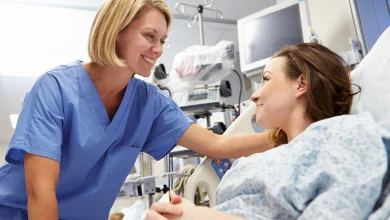
Nursing: The Art and Science of Compassionate Healthcare
Nursing is a cornerstone of the healthcare system, blending scientific knowledge with compassionate patient care. Nurses are essential in promoting health, preventing illness, and supporting patients through recovery and chronic disease management. Far beyond basic caregiving, modern nursing encompasses clinical expertise, patient advocacy, leadership, and research, making it one of the most dynamic and impactful professions in healthcare.
The Role of Nursing in Modern Healthcare
Nursing is a multifaceted profession that addresses physical, psychological, and social aspects of patient care. Nurses collaborate with physicians, therapists, and other healthcare professionals to ensure holistic treatment. Their roles include:
- Administering medications and treatments safely
- Monitoring patient conditions and responding to changes
- Educating patients and families on health management
- Advocating for patient rights and ethical care
- Conducting research and applying evidence-based practices
Historical Evolution of Nursing
The profession has evolved significantly from traditional caregiving roles to evidence-based clinical practice. Figures like Florence Nightingale pioneered nursing during the 19th century, emphasising sanitation, patient observation, and systematic care. Today, nursing integrates advanced medical technology, specialised knowledge, and leadership skills to address complex healthcare needs.
Core Specialisations in Nursing
Nursing is diverse, offering multiple specialisations to meet patient needs across various settings.
Registered Nurse (RN)
Registered nurses provide direct patient care in hospitals, clinics, and community health environments. Responsibilities include administering medications, monitoring vital signs, and coordinating treatment plans. RNs often specialise in areas such as critical care, paediatrics, or emergency nursing.
Nurse Practitioner (NP)
Nurse practitioners are advanced practice nurses authorised to diagnose conditions, prescribe medications, and manage patient care independently. NPs focus on primary care, chronic disease management, and health promotion, bridging gaps in healthcare accessibility.
Clinical Nurse Specialist (CNS)
CNS professionals concentrate on specific patient populations or clinical areas, such as oncology, cardiology, or mental health. They provide expert guidance to improve patient outcomes and implement best practices within healthcare systems.
Nurse Educator
Nurse educators train future nurses, developing curricula, teaching clinical skills, and mentoring students. Their role ensures a competent, well-prepared workforce to meet evolving healthcare demands.
Nurse Researcher
Nurse researchers conduct studies to advance medical knowledge, improve patient care, and develop evidence-based protocols. Their work informs policy, clinical guidelines, and innovative healthcare interventions.
Specialised Nursing Roles
Other specialised roles include:
- Midwifery: Supporting pregnancy, childbirth, and postnatal care
- Geriatric Nursing: Caring for elderly populations with chronic conditions
- Palliative Care Nursing: Providing comfort and symptom management for terminally ill patients
- Mental Health Nursing: Addressing psychiatric conditions, emotional well-being, and psychosocial support
Essential Skills and Competencies
Successful nursing requires a combination of technical, interpersonal, and cognitive skills.
Clinical Competence
- Accurate assessment and monitoring of patient conditions
- Proficient administration of medications and interventions
- Skilled use of medical equipment and technology
- Knowledge of infection control and safety protocols
Critical Thinking and Decision-Making
- Rapid assessment of evolving clinical situations
- Prioritisation of interventions based on patient needs
- Interpretation of diagnostic data and collaboration with multidisciplinary teams
- Ethical reasoning in complex healthcare scenarios
Communication and Empathy
- Active listening and effective patient education
- Emotional support for patients and families
- Collaboration with healthcare professionals to coordinate care
- Advocacy for patient preferences and cultural sensitivity
Leadership and Management
- Supervision of junior staff and coordination of care teams
- Implementation of quality improvement initiatives
- Policy development and adherence to regulatory standards
- Crisis management and workflow optimisation
Evidence-Based Practice in Nursing
Modern nursing emphasises evidence-based practice (EBP), integrating clinical expertise, patient values, and current research to guide decision-making. EBP improves patient outcomes, reduces errors, and supports efficient healthcare delivery. Examples include:
- Hand hygiene protocols to prevent hospital-acquired infections
- Pain management strategies based on validated assessment tools
- Early mobility programs to prevent post-operative complications
- Telehealth interventions to enhance accessibility and continuity of care
Nursing Across Healthcare Settings
Nurses work in diverse environments, each with unique challenges and responsibilities.
Hospitals
Hospital-based nurses provide acute care, manage complex cases, and respond to emergencies. Units such as intensive care, surgical wards, and emergency departments require specialised skills and rapid clinical judgment.
Community and Public Health
Community nurses focus on preventive care, health education, and chronic disease management. They address population health needs, conduct screenings, and promote immunisation programs.
Home Healthcare
Home healthcare nurses deliver medical care, monitor chronic conditions, and provide rehabilitation support in patients’ homes. This setting requires autonomy, adaptability, and strong communication skills.
Long-Term Care Facilities
Nurses in long-term care settings manage the health and well-being of residents with chronic illnesses, disabilities, or age-related conditions. They provide daily care, medication management, and support for activities of daily living.
Research and Academic Institutions
Nurse researchers and educators contribute to knowledge creation, clinical training, and policy development, ensuring the nursing profession evolves with advancements in medical science.
Challenges and Opportunities in Nursing
Despite its rewards, nursing is a demanding profession that presents challenges requiring resilience, adaptability, and continuous learning.
Workforce Shortages
Global nursing shortages strain healthcare systems, leading to increased workloads and burnout. Addressing recruitment, retention, and professional development is critical to maintaining quality care.
Emotional and Physical Stress
Nurses often face high-stress environments, exposure to trauma, and physically demanding tasks. Emotional resilience, peer support, and wellness programs are essential for sustaining performance and mental health.
Technological Integration
Advances in healthcare technology, such as electronic health records, telemedicine, and robotic-assisted procedures, require continuous skill development and adaptability.
Career Growth and Specialisation
Opportunities for advanced practice, research, leadership, and education allow nurses to shape healthcare systems, influence policy, and expand their professional impact.
The Future of Nursing
The nursing profession continues to evolve, responding to changing healthcare demands, population demographics, and technological advancements. Key trends shaping the future include:
- Expansion of nurse-led clinics and primary care roles
- Increased integration of informatics and digital health solutions
- Emphasis on preventive care and population health strategies
- Global collaboration and knowledge exchange to standardise best practices
- Greater focus on mental health, palliative care, and holistic approaches
FAQs on Nursing
Q1: What qualifications are required to become a registered nurse?
Becoming a registered nurse typically requires a Bachelor of Science in Nursing (BSN) or an equivalent diploma, completion of clinical training, and successful licensure examinations.
Q2: How does nursing differ from other healthcare professions?
Nursing integrates direct patient care, health education, advocacy, and coordination across multidisciplinary teams, emphasising holistic, patient-centred approaches.
Q3: Can nurses specialise in different fields?
Yes, nurses can specialise in areas such as critical care, paediatrics, mental health, midwifery, palliative care, and research, among others.
Q4: What are the key challenges nurses face today?
Challenges include workforce shortages, high-stress environments, risk of burnout, evolving technology, and complex patient care needs.
Q5: How does nursing impact patient outcomes?
Nurses significantly improve patient outcomes by monitoring health status, administering treatments accurately, providing education, and advocating for optimal care.
Q6: Is nursing a suitable career for people interested in research?
Absolutely. Nurse researchers contribute to clinical trials, evidence-based practice, and healthcare policy, bridging the gap between science and patient care.
Q7: What role does empathy play in nursing?
Empathy is critical for building trust, providing emotional support, enhancing patient satisfaction, and delivering compassionate, effective care.
Nursing is a profession that combines scientific expertise, critical thinking, and compassionate care. Its impact spans individual patient outcomes, community health, and broader healthcare systems. By continuously integrating evidence-based practices, embracing specialisations, and adapting to evolving challenges, nurses remain indispensable in delivering high-quality healthcare, shaping policies, and improving the quality of life for patients worldwide.