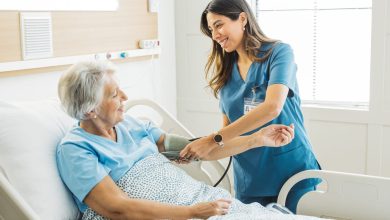
Nursing: The Backbone of Modern Healthcare
Nursing is more than a profession—it is a commitment to care, compassion, and clinical excellence. Nurses play a central role in healthcare systems worldwide, serving as patient advocates, caregivers, educators, and leaders. Their work bridges the gap between medical science and human experience, making nursing one of the most trusted and impactful professions today.
Understanding the Nursing Profession
Nursing focuses on promoting health, preventing illness, and caring for individuals across the lifespan. Nurses work in diverse environments, from hospitals and clinics to schools, community centers, and patients’ homes.
At its core, nursing combines:
-
Scientific knowledge
-
Technical skills
-
Emotional intelligence
-
Ethical decision-making
This unique blend allows nurses to provide holistic care that addresses both physical and psychological needs.
The Core Responsibilities of Nurses
Nurses handle a wide range of responsibilities that ensure patient safety and quality care. These duties often include:
-
Monitoring patient conditions and vital signs
-
Administering medications and treatments
-
Assisting physicians during procedures
-
Educating patients and families about care plans
-
Maintaining accurate medical records
-
Advocating for patient rights and comfort
Effective communication is a critical skill, as nurses often act as the primary link between patients, families, and the healthcare team.
Different Types of Nursing Roles
Nursing offers multiple career paths depending on education, specialization, and interests.
Clinical Nursing Roles
-
Registered Nurses (RNs) – Provide direct patient care and coordinate treatment plans
-
Licensed Practical/Vocational Nurses (LPNs/LVNs) – Assist with basic nursing care under supervision
-
Nurse Practitioners (NPs) – Diagnose conditions, prescribe medications, and manage patient care
Specialized Nursing Fields
-
Pediatric Nursing
-
Critical Care Nursing
-
Oncology Nursing
-
Psychiatric and Mental Health Nursing
-
Geriatric Nursing
Each specialty requires focused training and allows nurses to develop expertise in specific patient populations.
Education and Skills Required in Nursing
Becoming a nurse requires formal education and hands-on clinical training. Depending on the role, nurses may complete:
-
Diploma or associate degree programs
-
Bachelor’s degree in nursing
-
Advanced graduate-level education
Beyond education, successful nurses possess key skills such as:
-
Critical thinking and problem-solving
-
Empathy and compassion
-
Attention to detail
-
Time management
-
Adaptability in high-pressure situations
These skills are essential in fast-paced healthcare environments.
The Importance of Nurses in Healthcare Systems
Nurses are often the first and last point of contact for patients. Their presence directly influences patient outcomes, satisfaction, and safety. Research consistently shows that adequate nurse staffing improves recovery rates and reduces medical errors.
Nurses also contribute to:
-
Public health education
-
Disease prevention initiatives
-
Healthcare policy development
-
Leadership and management roles
Their impact extends far beyond bedside care.
Challenges Faced by the Nursing Profession
Despite its rewards, nursing comes with significant challenges, including:
-
Long working hours and shift rotations
-
Emotional strain from patient loss and trauma
-
Physical demands of the job
-
Workforce shortages in many regions
Addressing these challenges requires institutional support, ongoing education, and a focus on nurse well-being.
The Future of Nursing
The future of nursing is shaped by innovation and evolving healthcare needs. Emerging trends include:
-
Increased use of digital health technologies
-
Expansion of telehealth nursing roles
-
Greater emphasis on preventive and community-based care
-
Advanced practice roles to meet primary care demands
As healthcare continues to evolve, nurses will remain at the forefront of patient-centered care.
Frequently Asked Questions (FAQs)
1. What qualities make a good nurse?
A good nurse demonstrates compassion, strong communication skills, critical thinking, and the ability to remain calm under pressure.
2. Is nursing a stable career choice?
Yes, nursing is considered a highly stable career due to consistent demand across healthcare settings.
3. Can nurses specialize later in their careers?
Absolutely. Many nurses begin in general roles and later pursue specializations through additional training and experience.
4. How does nursing differ from other healthcare professions?
Nursing emphasizes holistic, continuous patient care, while other professions may focus more narrowly on diagnosis or treatment.
5. What is the biggest reward of being a nurse?
Many nurses find fulfillment in helping others, making a difference in patients’ lives, and building meaningful human connections.
6. Are there non-hospital career options for nurses?
Yes, nurses can work in schools, research, public health, home care, corporate settings, and telehealth services.
7. How is technology changing nursing?
Technology is enhancing patient monitoring, documentation, telehealth services, and overall efficiency in nursing practice.