Agitation After a Stroke: Pseudodementia or Vascular Dementia?
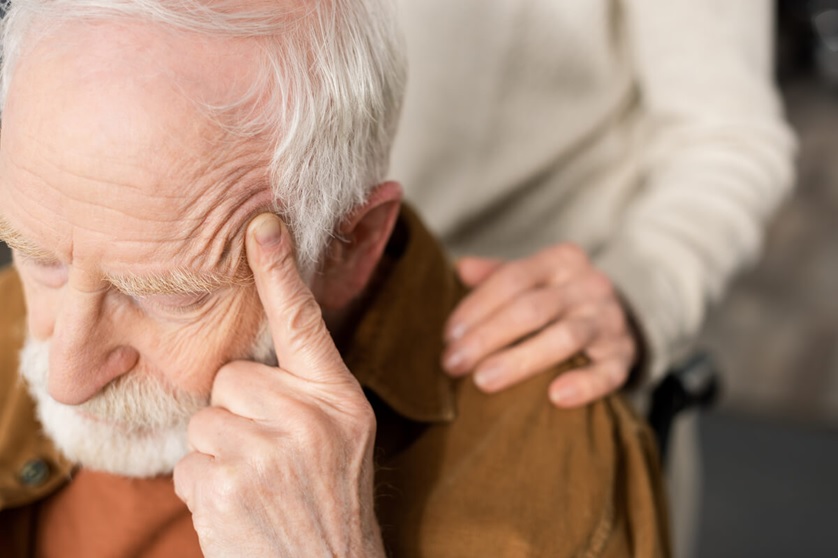
Dealing with the aftermath of a stroke in a loved one can become an overwhelming emotional roller coaster for everyone at home. When the problems are no longer purely physical but directly affect the patient’s behaviour and mental state, uncertainty can escalate quickly.
It is completely normal to feel lost and unsure of how to respond to such drastic changes in personality. That is why it is important to understand what happens in the brain after an event of this magnitude and how to provide the right support to help restore some sense of calm.
How Cognitive Assessment Tells Them Apart: The Challenge of Pseudodementia
After a stroke, it is not uncommon to observe cognitive changes that closely resemble traditional forms of dementia. However, these situations may sometimes be linked to deep emotional blocks, severe depression, or apathy caused by neurological damage.
An accurate diagnosis is vital to avoid mistakenly labeling the patient and to ensure that appropriate pharmacological or psychological therapies are used to help them improve. Identifying the exact cause of the problem can completely change the recovery outlook in everyday life.
Post-Stroke Psychosis and Agitation: Warning Signs You Should Not Ignore
The sudden onset of episodes of extreme agitation, hallucinations, or persecutory delusions following a vascular injury can be deeply confusing for primary caregivers.
These behavioural manifestations are not simply acts of defiance or attempts to seek attention, but rather direct biological consequences of disruption to specific neural circuits.
Managing these tense moments requires a great deal of patience, avoiding direct confrontation, and seeking specialised medical assistance to adjust pharmacological treatments safely and effectively.
The Importance of a Thorough Assessment for Effective Treatment
To develop a realistic recovery plan tailored to each individual, it is essential to have a thorough and rigorous clinical assessment. An appropriate neuropsychology assessment helps determine which areas of the brain remain affected and which retain the potential for neuroplasticity.
This detailed analysis helps clearly determine whether we are dealing with cognitive decline in older adults or temporary psychiatric complications resulting directly from the vascular event itself.
The Key Role of Neurorehabilitation in Cognitive Recovery
Overcoming invisible brain damage requires much more than resting at home; it requires a multidisciplinary therapeutic approach maintained consistently over time. Through neurorehabilitation, specialists work closely with patients to stimulate healthy neural connections and compensate for those that have been lost.
Every small session of cognitive exercises and targeted stimulation contributes valuable progress toward regaining personal independence and the emotional stability so deeply desired at home.
Practical Communication Strategies for Everyday Life
When a family member experiences delusions or severe disorientation after a stroke, the way you respond can make a huge difference to their anxiety levels. Arguing with them or trying to convince them that their reality is false often makes agitation worse and creates a wall of distrust that can be very difficult to overcome.
It is much more helpful to validate their emotions without engaging in complex debates, redirect their attention toward pleasant topics, and maintain a calm tone of voice. Daily patience acts as an essential balm for reducing the tension that can build up in the home environment.
Creating a Safe Environment to Prevent Accidents at Home
Behavioural changes and impaired spatial awareness significantly increase the risk of falls and dangerous lapses in judgment within the family home. Adapting rooms by removing slippery rugs, installing grab bars in the bathroom, and restricting access to hazardous areas provides essential protection.
An orderly, obstacle-free physical environment reduces the patient’s visual confusion and helps them move around with a greater degree of supervised safety. Anticipating everyday hazards can prevent unnecessary incidents that could further complicate the overall medical situation.
Specialised Professionals Who Make a Difference in the Recovery Process
Dealing with such a complex clinical condition without the support of qualified experts can be physically and emotionally exhausting for the closest family members. Turning to specialised centers such as Clement Mind Neuropsychology in Cambridge can provide a thorough, compassionate, and person-centered clinical approach.
Having a qualified team that understands the specificities of neuropsychology provides invaluable reassurance throughout every stage of post-stroke rehabilitation, guiding the family step by step.
Caring for the Caregiver: The Invisible Pillar of Family Well-Being
The emotional strain experienced by the primary caregiver during the recovery process of a patient with neurological impairments can be immense and often goes unnoticed. Neglecting oneself or sacrificing adequate rest can lead to episodes of chronic anxiety and severe, unsustainable physical exhaustion.
Seeking external psychological support, taking turns with other family members, and accepting that you cannot do everything is an act of genuine responsibility. Only by protecting your own mental health can you sustain the daily care with the patience and compassion your loved one needs.