Acupressure: An In-Depth Exploration of Healing Through Touch
Acupressure is an ancient therapy that leverages the power of touch to stimulate specific points on the body, promoting physical and emotional well-being. Rooted in Traditional Chinese Medicine (TCM), acupressure has been practiced for thousands of years as a natural method to balance the body’s energy and alleviate discomfort. Unlike invasive procedures or medications, acupressure offers a non-pharmaceutical, accessible approach to health management. In this article, we will explore the science, techniques, benefits, and practical applications of acupressure, offering a comprehensive resource for anyone interested in enhancing their wellness through touch.
Understanding Acupressure
Acupressure works on the principle of qi (pronounced “chee”), which is the vital life energy flowing through the body. According to TCM, qi flows along pathways known as meridians, and disruptions in this flow can lead to pain, illness, or emotional distress. By applying pressure to specific acupoints along these meridians, acupressure helps restore balance, stimulate circulation, and promote self-healing mechanisms.
Unlike acupuncture, which uses needles, acupressure relies on manual pressure, massage, or firm pressing to activate these points. This makes it a safer and more accessible option for self-care, while still retaining the therapeutic benefits of energy modulation.
The Science Behind Acupressure
Modern research into acupressure suggests that its benefits are not purely anecdotal. Studies have demonstrated that stimulating acupoints can trigger neurological responses, influence the release of endorphins, and reduce stress hormone levels. Acupressure has been shown to:
- Increase blood flow to targeted areas, enhancing oxygen and nutrient delivery.
- Reduce muscle tension by promoting relaxation of tight tissues.
- Stimulate the autonomic nervous system, encouraging the body’s natural healing processes.
- Influence the brain’s pain perception pathways, making it effective for chronic pain relief.
These mechanisms illustrate that acupressure is both a holistic and physiological therapy, bridging traditional wisdom with contemporary science.
Common Acupressure Techniques
Acupressure can be performed using various methods depending on the desired outcome. The techniques are generally simple but require precision and consistency for maximum effectiveness.
Finger Pressure
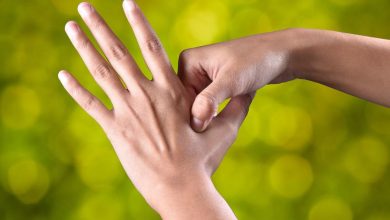
The most common method, finger pressure, involves using the thumb, fingers, or palm to apply steady pressure to acupoints. The pressure is usually held for 30 seconds to 2 minutes and may be accompanied by small circular movements.
Palm and Elbow Pressure
For larger areas or deeper points, therapists may use their palm or elbow to deliver firmer pressure. This is particularly effective for back pain, shoulder stiffness, or tension in the lower body.
Knuckle or Tool-Assisted Pressure
Some practitioners use knuckles, specialized tools, or acupressure mats to target specific points with consistent pressure. This method is useful for self-treatment at home and can provide intense stimulation without requiring significant manual effort.
Reflexology
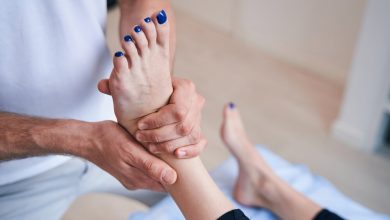
Reflexology, a branch of acupressure, focuses on the hands and feet. Each point corresponds to a particular organ or system in the body, allowing indirect stimulation to promote overall health. For instance, pressing the ball of the foot may relieve digestive issues, while stimulating the heel can support reproductive or pelvic health.
Health Benefits of Acupressure
Acupressure offers a wide range of benefits that span physical, emotional, and mental well-being. Its holistic approach makes it suitable for individuals seeking preventive care, stress management, or symptom relief.
Pain Management
One of the most well-documented benefits of acupressure is pain relief. By stimulating endorphin release and reducing muscle tension, acupressure can alleviate:
- Headaches and migraines
- Back and neck pain
- Arthritis discomfort
- Menstrual cramps
Targeting points such as LI4 (Hegu) for headaches or SP6 (Sanyinjiao) for menstrual pain has been shown to reduce intensity and frequency of discomfort in clinical studies.
Stress Reduction and Emotional Well-Being
Acupressure activates the parasympathetic nervous system, which triggers relaxation and reduces stress. Regular practice can help manage:
- Anxiety and tension
- Insomnia or disrupted sleep patterns
- Mood swings and irritability
Points like PC6 (Neiguan) are particularly effective for calming the mind and easing anxiety. Incorporating acupressure into a daily routine can promote a sense of emotional balance and resilience.
Digestive Support
Acupressure can also aid in digestive health by stimulating points that influence the gastrointestinal system. Techniques targeting points such as ST36 (Zusanli) can enhance digestion, reduce bloating, and improve nutrient absorption.
Immune System Enhancement
Emerging research suggests that acupressure may bolster immune function by improving circulation, reducing stress, and promoting lymphatic drainage. Points like LI10 (Shousanli) and GV14 (Dazhui) are believed to strengthen the body’s natural defenses against illness.
Women’s Health
Acupressure is widely used to support women’s health, including fertility, menstrual regulation, and pregnancy comfort. Gentle pressure on points such as SP6 and Ren4 (Guanyuan) can help manage menstrual discomfort and maintain hormonal balance. Pregnant women should consult a qualified practitioner before applying pressure to certain points to avoid adverse effects.
Practical Applications of Acupressure
Acupressure is versatile and can be applied in professional, therapeutic, or self-care settings.
Professional Therapy
Licensed acupressure therapists integrate point stimulation with massage and bodywork techniques to address chronic conditions, musculoskeletal pain, and holistic wellness. Therapy sessions may last 30–60 minutes and often include customized treatment plans.
Self-Care and Home Practice
Acupressure is easily adapted for home use, allowing individuals to practice daily health maintenance. Simple routines targeting common points for stress, headaches, or fatigue can enhance energy flow and relaxation. Self-acupressure requires:
- Learning the location of key points
- Using gentle, consistent pressure
- Maintaining regular sessions for cumulative benefits
Workplace and On-the-Go Relief
Short acupressure techniques can be applied at a desk, during travel, or in moments of high stress. Pressing points such as LI4 or GV20 (Baihui) for a few minutes can provide instant tension relief and improved focus.
Safety and Considerations
Acupressure is generally safe, but it should be approached with care in certain situations:
- Avoid intense pressure on pregnant women without professional guidance.
- Individuals with fractures, severe osteoporosis, or skin infections should consult a healthcare provider first.
- People with chronic medical conditions should integrate acupressure as a complementary therapy rather than a replacement for conventional care.
Proper technique, hygiene, and mindfulness ensure maximum safety and effectiveness.
Integrating Acupressure into a Wellness Routine
For optimal results, acupressure should be combined with other wellness practices, including:
- Mindfulness and meditation to enhance relaxation
- Balanced nutrition to support energy flow
- Regular physical activity to maintain circulation
- Hydration to aid toxin elimination and tissue health
Consistency is key, and even short daily sessions can produce noticeable improvements over time.
Frequently Asked Questions (FAQs)
What is the difference between acupressure and acupuncture?
Acupressure uses manual pressure on specific points, while acupuncture involves inserting fine needles into these points. Both aim to restore energy balance, but acupressure is non-invasive and more accessible for self-care.
Can acupressure help with chronic conditions like arthritis or migraines?
Yes, acupressure can relieve symptoms by stimulating endorphin release and reducing inflammation. Regular sessions may reduce pain intensity and frequency, though it should complement medical treatment.
How long does it take to see results from acupressure?
Results vary depending on the condition and consistency of practice. Some individuals experience immediate relief from tension or headaches, while chronic issues may require weeks of regular sessions.
Is acupressure safe for everyone?
Generally, yes. However, caution is advised for pregnant women, individuals with fractures, or those with severe medical conditions. Consulting a healthcare provider before beginning any new therapy is recommended.
Can I perform acupressure on myself at home?
Absolutely. Self-acupressure is safe and effective when performed correctly. Learning point locations, applying gentle pressure, and practicing consistently are essential for optimal results.
Are there any side effects of acupressure?
Side effects are rare but may include minor bruising, temporary soreness, or lightheadedness. Using moderate pressure and avoiding sensitive areas can minimize risks.
How often should acupressure be practiced for maximum benefit?
For general wellness, daily or several times per week is ideal. For acute symptoms, sessions can be applied multiple times per day, with attention to body response and comfort levels.
Conclusion
Acupressure is a time-tested therapy that combines the principles of energy balance with scientifically supported physiological effects. Its versatility makes it suitable for pain management, stress reduction, digestive support, immune enhancement, and overall wellness. Whether practiced professionally or at home, acupressure empowers individuals to take an active role in their health. By understanding the techniques, benefits, and precautions, anyone can integrate acupressure into a holistic wellness routine, experiencing the profound effects of healing through touch.