Dental Health: Comprehensive Insights into Oral Care and Advanced Practices
Dental health is an essential pillar of overall well-being, influencing not only oral functionality but also systemic health. The field of dentistry has evolved far beyond simple cavity treatments, encompassing preventive care, cosmetic procedures, and advanced restorative solutions. Maintaining proper dental hygiene and accessing professional care are critical to preventing oral diseases, enhancing aesthetics, and supporting long-term wellness. This article explores the intricate aspects of dental health, covering foundational knowledge, modern treatment modalities, and practical strategies for maintaining optimal oral hygiene.
Understanding Dental Health
Dental health refers to the condition of the teeth, gums, and related oral structures. It encompasses more than just cavity prevention; it includes gum health, jaw alignment, bite functionality, and prevention of systemic complications related to oral conditions. Oral health problems such as periodontal disease or untreated tooth decay can impact cardiovascular health, diabetes management, and immune system function.
The Anatomy of Oral Health
The human oral cavity consists of multiple structures, each playing a crucial role in overall dental health:
- Teeth: Primary structures for biting and chewing, consisting of enamel, dentin, pulp, and cementum.
- Gums (Gingiva): Soft tissue that surrounds and protects the teeth, supporting overall dental stability.
- Periodontal Ligaments: Connective tissue fibers that attach teeth to the jawbone, absorbing mechanical forces during chewing.
- Salivary Glands: Produce saliva, which contains enzymes and antibodies critical for digestion and pathogen defense.
- Jawbone (Alveolar Bone): Provides structural support for teeth and maintains facial integrity.
The Importance of Dental Hygiene
Effective dental hygiene is fundamental for preventing tooth decay, gum disease, and other oral health complications. Neglecting oral care can lead to:
- Cavities and enamel erosion
- Gingivitis and periodontitis
- Tooth sensitivity or loss
- Bad breath (halitosis)
- Increased risk for systemic health issues, such as cardiovascular disease
Maintaining dental hygiene through proper brushing, flossing, and regular professional check-ups reduces the incidence of these conditions and enhances quality of life.
Core Components of Dental Care
Dental care involves a combination of daily habits, professional interventions, and advanced treatments.
Brushing Techniques
Brushing is the foundation of oral hygiene. Effective techniques include:
- Use a soft-bristled toothbrush to avoid gum damage.
- Brush twice daily, for at least two minutes each session.
- Angle the brush at 45 degrees to the gumline for optimal plaque removal.
- Use fluoride toothpaste, which strengthens enamel and reduces decay risk.
Proper brushing should cover all tooth surfaces, including the front, back, and chewing surfaces. Tongue cleaning is also recommended to reduce bacteria and maintain fresh breath.
Flossing and Interdental Care
Brushing alone cannot remove plaque from between teeth or beneath the gumline. Flossing or using interdental brushes daily prevents interproximal cavities and periodontal disease. Techniques include:
- Gently guiding floss between teeth without snapping.
- Curving the floss around each tooth in a C-shape for thorough cleaning.
- Rinsing the mouth after flossing to remove loosened debris.
Dietary Influence
Nutrition plays a pivotal role in dental health. Foods rich in calcium, phosphorus, and vitamin D strengthen teeth and bones. Conversely, high-sugar and acidic foods contribute to enamel erosion and cavity formation. Healthy dietary strategies include:
- Limiting sugary snacks and beverages
- Incorporating leafy greens, dairy products, and nuts for mineral support
- Staying hydrated to stimulate saliva production and natural cleansing
Preventive Dental Treatments
Routine professional care is critical to detect and prevent early-stage oral issues. Preventive treatments include:
- Regular dental check-ups every six months for examination and cleaning
- Professional cleanings (prophylaxis) to remove tartar buildup
- Fluoride treatments to strengthen enamel
- Dental sealants to protect occlusal surfaces of molars in children and adults
Advanced Dental Procedures
Modern dentistry offers a wide array of advanced procedures that address both functional and aesthetic concerns.
Restorative Dentistry
Restorative procedures repair damaged teeth and restore oral functionality. Common treatments include:
- Dental Fillings: Treat cavities using materials like composite resin or amalgam.
- Crowns: Protect and strengthen severely decayed or fractured teeth.
- Bridges: Replace one or more missing teeth using adjacent teeth for support.
- Implants: Titanium posts surgically placed into the jawbone to replace missing teeth permanently.
Cosmetic Dentistry
Cosmetic dentistry focuses on improving the appearance of teeth and smile aesthetics. Treatments include:
- Teeth Whitening: Removes stains and brightens natural enamel.
- Veneers: Thin shells bonded to the tooth surface to correct discoloration, gaps, or minor misalignment.
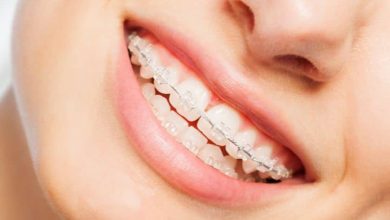
- Orthodontics: Braces and clear aligners correct malocclusion and improve bite functionality.
Periodontal Therapy
Periodontal (gum) disease treatment is essential for maintaining oral stability and preventing systemic complications. Interventions include:
- Scaling and Root Planing: Deep cleaning beneath the gumline to remove tartar and bacteria
- Gum Surgery: In severe cases, surgical procedures restore gum and bone health
- Laser Therapy: Minimally invasive approach for reducing bacterial load and promoting tissue regeneration
Endodontic Treatments
Endodontics addresses diseases of the dental pulp and surrounding tissues. Procedures such as root canal therapy remove infected pulp while preserving the natural tooth structure. Modern techniques use advanced imaging and biocompatible materials to improve outcomes and reduce post-operative discomfort.
Dental Technology and Innovations
Advancements in technology have revolutionized dental care, increasing precision, efficiency, and patient comfort. Innovations include:
- Digital Radiography: Reduces radiation exposure and improves diagnostic accuracy
- Intraoral Cameras: Allows detailed visualization of hard-to-see areas
- CAD/CAM Dentistry: Enables computer-aided design and fabrication of crowns, veneers, and bridges in a single visit
- 3D Printing: Customizes dental appliances, aligners, and surgical guides with high precision
- Laser Dentistry: Minimally invasive alternative for soft tissue surgery, cavity preparation, and periodontal therapy
Dental Care Across Life Stages
Oral health needs evolve throughout life, requiring age-appropriate strategies.
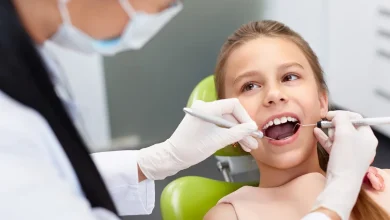
Pediatric Dentistry
Children require specialized care to ensure proper tooth development, prevent decay, and establish lifelong oral habits. Pediatric interventions include:
- Fluoride treatments and sealants
- Guidance on teething, nutrition, and oral hygiene
- Early orthodontic assessments
Adult Dentistry
Adults focus on maintaining natural teeth, managing wear, and preventing periodontal disease. Routine check-ups, restorative treatments, and cosmetic enhancements are common priorities.
Geriatric Dentistry
Aging introduces challenges such as tooth loss, dry mouth, and increased risk of systemic diseases. Geriatric dental care emphasizes:
- Denture maintenance and adjustments
- Management of medication-induced oral side effects
- Prevention and treatment of gum disease and bone loss
Common Dental Conditions and Management
Dental conditions vary in severity and require timely intervention. Key issues include:
- Cavities (Dental Caries): Prevented through fluoride use, diet control, and routine cleaning.
- Gum Disease (Gingivitis and Periodontitis): Managed with professional cleanings, scaling, and periodontal therapy.
- Tooth Sensitivity: Treated with desensitizing toothpaste, fluoride varnishes, or restorative procedures.
- Malocclusion: Corrected through orthodontic treatments for bite alignment and functional improvement.
Maintaining Long-Term Dental Health
Sustaining dental health requires a comprehensive approach combining daily habits, professional care, and lifestyle adjustments:
- Brush and floss daily using proper techniques
- Schedule regular dental check-ups every six months
- Limit sugar intake and maintain a nutrient-rich diet
- Avoid tobacco and excessive alcohol consumption
- Wear protective gear during sports to prevent dental trauma
Consistent practice of these strategies preserves oral health, prevents costly treatments, and supports systemic well-being.
Frequently Asked Questions (FAQs)
How often should I visit a dentist?
Routine dental check-ups every six months are recommended, but frequency may increase depending on individual risk factors and existing conditions.
Can dental health affect overall health?
Yes. Poor dental health is linked to heart disease, diabetes, respiratory infections, and adverse pregnancy outcomes, making oral care a vital aspect of systemic wellness.
What is the difference between a dental hygienist and a dentist?
A dental hygienist focuses on preventive care, cleaning, and patient education, while a dentist diagnoses, treats, and performs surgical or restorative procedures.
Are dental X-rays safe?
Modern digital radiography minimizes radiation exposure while providing detailed imaging for accurate diagnosis. Protective measures, such as lead aprons, further enhance safety.
Can adults get orthodontic treatment?
Yes. Clear aligners, braces, and other orthodontic solutions are effective for adults seeking functional or aesthetic improvements.
What should I do if I experience tooth pain?
Persistent tooth pain requires prompt dental evaluation to diagnose the underlying cause and initiate treatment, which may include fillings, root canal therapy, or other interventions.
How can I prevent cavities effectively?
Consistent brushing with fluoride toothpaste, daily flossing, limiting sugary foods, and regular professional cleanings are the most effective preventive measures.
Conclusion
Dental health is a multidimensional aspect of overall wellness that demands attention, care, and informed practices. From preventive hygiene to advanced restorative procedures, modern dentistry offers tools and techniques to maintain oral function, aesthetics, and systemic health. By integrating proper daily habits, leveraging professional care, and embracing technological advancements, individuals can achieve long-lasting dental health, enhancing both their smile and quality of life.
Proper dental management is not merely cosmetic; it is an essential component of holistic well-being, influencing nutrition, speech, confidence, and systemic health. Prioritizing dental care ensures that natural teeth remain functional, gums remain healthy, and oral health continues to support overall physical and mental wellness well into adulthood and beyond.